How an insurance company can use a long-term insight community

Customers rarely think about insurance every day. It comes to mind when they buy a car, renew a policy, or experience an incident. At each moment, they have different questions: what the policy covers, how quickly they will get help, and whether renewal is worthwhile.
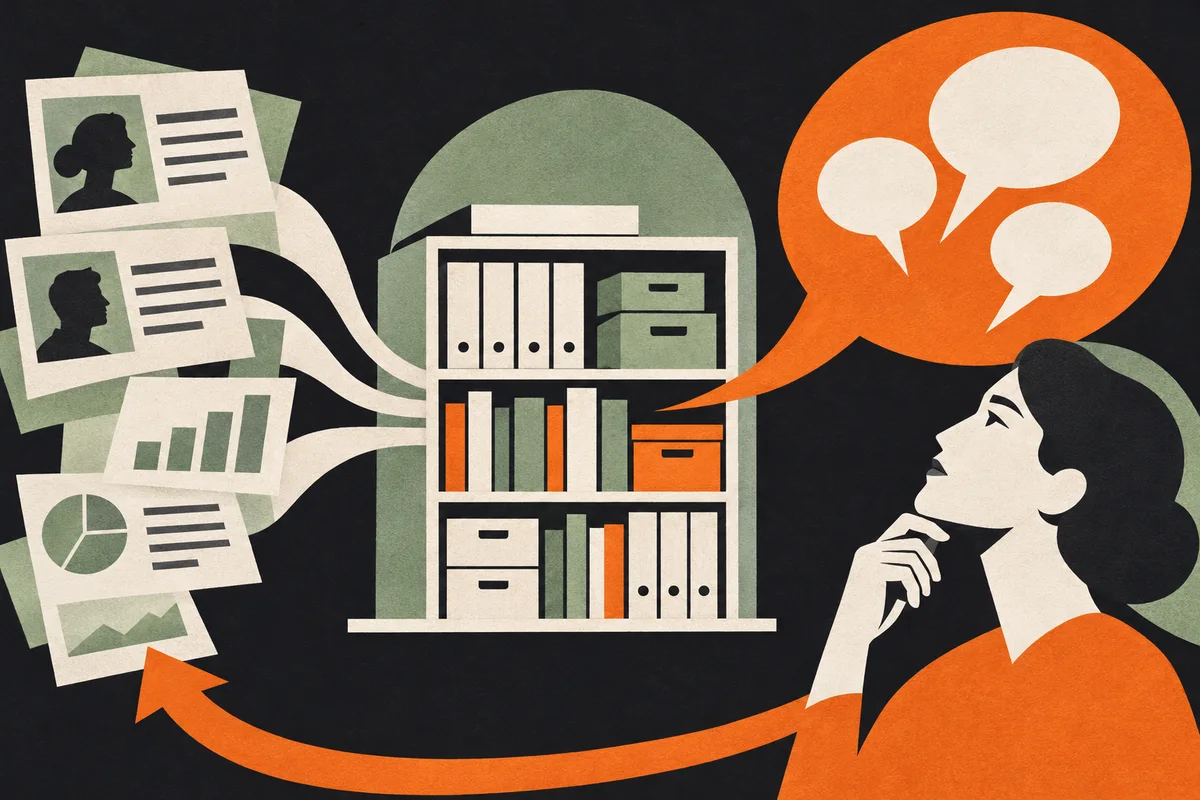
A long-term insight community lets an insurer discuss these questions with customers regularly. In a private online space, participants share experiences, answer questions, test ideas, and return to the conversation as their circumstances change. The company sees not only how people rate a product, but also the motives, doubts, and events behind their decisions.
What tasks can be solved in the community?
Products and customer experience
"Like the competition." Participants regularly tell us what they liked or disliked when communicating with other insurers. The moderator clarifies why a particular service or function influenced the choice of the company.
"I have an idea or a suggestion." Clients suggest changes. The discussion helps to understand the need behind the idea: what task a person is trying to solve and in what situation it arises.
New products and conditions. Before the launch, you can show participants the options for comprehensive car insurance or home protection. It is important to find out not only which option participants choose, but also why some conditions look useful and others are questionable.
Interfaces and design. Participants try to issue a policy or report an incident in the application. Their actions and comments show at which step a hint is needed and which formulations are unclear.
Motives and decisions of clients
Extension and cancellation. Conversations before and after the end of the policy help to compare the client's intention with the eventual decision: to renew the policy, switch to a competitor or abandon it.
Life changes. Buying a car, moving, or making changes in the family can change the need for protection. The long-term format allows you to return to the same people and see how their motives are changing.
Different groups of clients. A person who chose a policy on their own may perceive it differently from someone who took out insurance with a loan. The experience of clients after an insured event deserves special attention.
A community of partners. You can create a separate space for agents and brokers. Regular dialogue will help to find out which conditions are difficult to explain and what slows down issuing a policy or helping a customer.
Expectations and communications
New worries and needs. In constant discussions, you can notice which topics are starting to worry customers more often, and explore them before offering a new product.
The first weeks after purchase. A new client should be asked if they have found the policy in the application, if they understand the coverage and if they know what to do in case of an incident.
The clarity of the policy. If you ask the participants to explain the exclusions or the deductible in their own words, you may find a discrepancy between the terms of the contract and the client's expectations. Then you can check the new explanations in the community.
Ads and messages. Participants are shown promotional materials, product descriptions, and renewal reminders. Dialogue helps to understand what inspires trust and what leaves questions.
How this could work in practice: renewing car insurance
Let's say the team wants to figure out why some customers don't renew their comprehensive car insurance. First, the team invites participants to discuss the upcoming renewal: what protection they want to maintain, what they compare with competitors' offers, and what conditions are questionable. After the end date of the policy, the team returns to the same people and asks what decision they have made.
If the participant replies "too expensive", the conversation does not end there. The moderator can clarify what the person is comparing the price with, what kind of help they expect in case of an incident, and whether they understand what they are paying for. During such a dialogue, sometimes a reason is revealed that could not have been predicted in the questionnaire. Possible conclusions are then tested on a wider group before changing the product or communication.
When the community is already working, the team can quickly launch a new discussion or survey among suitable participants. ReFocus provides discussions, surveys, diaries, and audience segmentation for this purpose. Product and operations teams can read customer responses directly and compare their decisions with how people perceive insurance.
A long-term community is useful where one answer is not enough. It allows you to continue the conversation, test the effects of changes, and eventually better understand why customers choose insurance, use it, and stay with the company.